Liver Transplant: A Complete Guide to the Procedure, Recovery, and Life After Surgery
The liver is one of the most essential organs in the human body. It performs more than 500 functions, including detoxifying the blood, producing bile for digestion, storing nutrients, and supporting metabolism. When the liver fails to perform these vital roles due to disease or irreversible damage, a liver transplant becomes the only life-saving option.
.jpg)
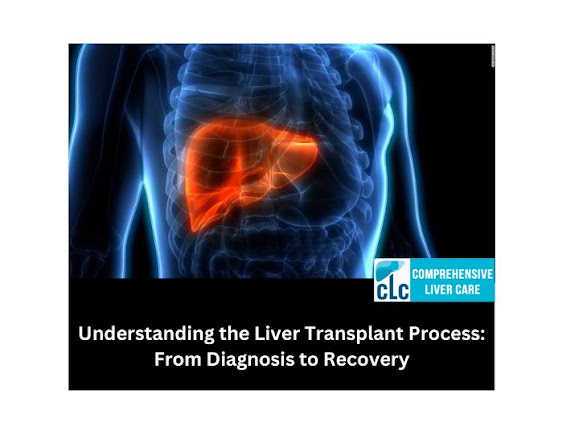
A liver transplant is a major surgical procedure in which a diseased liver is replaced with a healthy one from a donor. Over the years, the procedure has evolved significantly, offering higher success rates, fewer complications, and better long-term outcomes for patients. But while the surgery itself is advanced, a successful transplant requires preparation, monitoring, lifestyle changes, and continuous care.
This comprehensive guide explains everything you need to know about liver transplant—who needs it, how the procedure works, recovery expectations, lifestyle recommendations, risks, and long-term success strategies.
What Is a Liver Transplant?
A liver transplant is a surgical procedure in which a failing liver is removed and replaced with a healthy donor liver. The healthy liver may come from:
-
A deceased donor – A complete liver is transplanted.
-
A living donor – A portion of the liver is donated. The liver regenerates in both the donor and recipient over time.
Because the liver has the unique ability to regenerate, living-donor transplants have become increasingly common and safe.
Who Needs a Liver Transplant?
A liver transplant is recommended when the liver can no longer function properly and other treatments fail. Common conditions that may lead to liver failure include:
-
Chronic liver diseases
-
Genetic or inherited liver disorders
-
Severe infections
-
Long-term inflammation
-
Cirrhosis
-
Liver injury
-
Acute liver failure
When liver function declines significantly, symptoms such as jaundice, swelling, fatigue, bleeding, and confusion begin to appear. A specialist evaluates the severity of liver disease and determines whether a transplant is necessary.
Types of Liver Transplants
1. Deceased Donor Liver Transplant
A healthy liver from a donor who has passed away is transplanted into the patient. This is the most common form of transplant.
2. Living Donor Liver Transplant
A part of a healthy donor’s liver is used.
Benefits include:
-
Shorter waiting time
-
Faster surgery scheduling
-
Better outcomes
3. Split Liver Transplant
One donor liver is split and transplanted into two different recipients—usually one adult and one child.
How the Liver Transplant Procedure Works
Step 1: Evaluation
Patients undergo a detailed assessment, including:
-
Blood tests
-
Imaging scans
-
Heart and lung evaluations
-
Psychological assessment
This ensures that the patient is fit for surgery.
Step 2: Waitlist Placement
Patients with urgent medical need are prioritized based on severity scores.
Step 3: Surgery
The surgery typically takes several hours and involves:
-
Removing the diseased liver
-
Implanting the donor liver
-
Connecting blood vessels
-
Rebuilding bile ducts
Step 4: Post-Surgery Monitoring
Patients stay in intensive care for short-term monitoring, followed by recovery in the hospital.
Recovery After a Liver Transplant
Recovery time varies, but most patients spend several weeks in the hospital and months recovering at home.
Early Recovery Includes:
-
Pain management
-
Monitoring liver function
-
Preventing infections
-
Starting medications
-
Beginning physical therapy
Long-Term Recovery Includes:
-
Regular checkups
-
Lifestyle improvements
-
Strengthening immunity
-
Following a nutritional plan
-
Managing long-term medications
Medications After a Liver Transplant
Patients must take immunosuppressants to prevent the body from rejecting the new liver. These medications are essential for long-term health and require regular monitoring.
Lifestyle After a Liver Transplant
A healthy lifestyle dramatically increases long-term success.
Diet Recommendations
-
High-fiber foods
-
Fresh vegetables and fruits
-
Protein-rich foods
-
Low-fat meals
-
Avoiding sugars and processed foods
Exercise Recommendations
-
Light walking
-
Breathing exercises
-
Gradual strength training
Habits to Avoid
-
Smoking
-
Alcohol consumption
-
Heavy lifting (initial months)
-
Unprescribed medication
Possible Complications
Though modern liver transplant procedures are highly successful, complications may include:
-
Infection
-
Rejection
-
Blood clots
-
Bile duct issues
-
Medication side effects
Early detection and timely care reduce risks significantly.
Signs of Liver Rejection
Patients must monitor symptoms such as:
-
Fever
-
Fatigue
-
Abdominal pain
-
Dark urine
-
Pale stools
-
Yellowing of eyes
Immediate medical attention is necessary if symptoms appear.
Life Expectancy After a Liver Transplant
Today, many patients live long, healthy lives after transplantation. Success depends on:
-
Regular follow-ups
-
Medication adherence
-
Healthy lifestyle
-
Early detection of complications
Mental & Emotional Well-Being
Transplant patients may experience stress, anxiety, or emotional changes. Support groups, counseling, meditation, and open communication with family help promote mental health.
Conclusion
A liver transplant is not just a surgery—it is a life transformation. With proper care, dedication, and lifestyle changes, patients can look forward to a healthier, more fulfilling life. Understanding the process, preparing mentally and physically, and following post-transplant guidelines ensures the best long-term outcomes.

Comments
Post a Comment